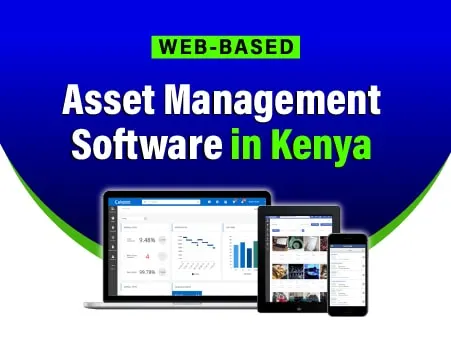
Guide, 6 min read
QR Code Asset Tags: How Smart Tracking Works
How QR code asset tags link physical items to your register, what data to encode and how to roll out QR tracking in a Ke…
 View Samples
 How asset tracking systems link tags to software: barcode or QR scanning, check-in/out, maintenance logs and live reports for your asset register.
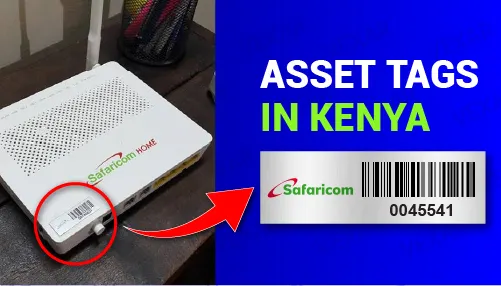
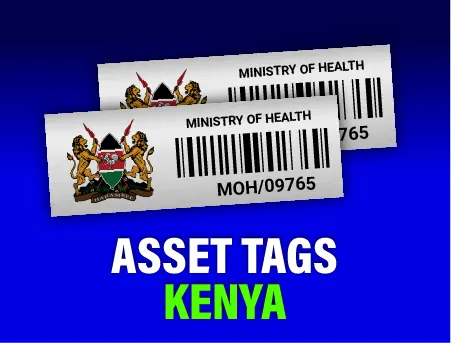


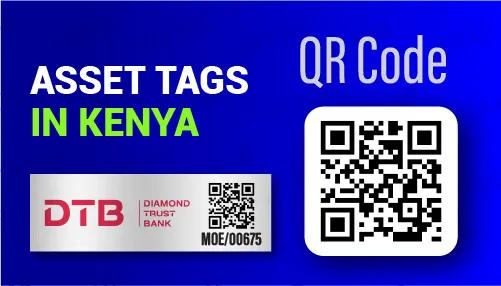
Asset tracking systems Kenya are transforming how organizations manage, monitor, and protect their physical assets. From hospitals to manufacturing plants, modern businesses are increasingly adopting automated identification tools like barcode, QR code, and RFID-enabled tags-integrated with intelligent software-to gain complete visibility and control. This smooth connection between physical labels and digital systems is the foundation of efficient asset management in today’s data-driven world.
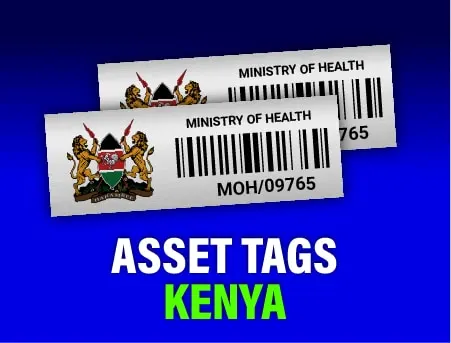
An asset tracking system enables businesses to record, monitor, and analyze the movement, condition, and lifecycle of every asset. In Kenya, where operations are often distributed across multiple branches or regions, maintaining accurate asset records is critical for compliance and operational efficiency. These systems use uniquely coded asset tags-often aluminium or polyester labels-to link each item to a centralized database, allowing managers to track its exact location and usage history in real time.
Integration lies at the heart of every effective asset tracking solution. When physical tags-like QR code aluminium asset tags or barcode labels-are connected to an asset management software, they create a synchronized system that automates updates, reduces manual errors, and provides actionable insights. Employees can scan an asset using a smartphone or handheld device, instantly updating the software with location, condition, and user data. This reduces paperwork and ensures that information remains accurate and up to date.
Kenyan companies across industries are rapidly adopting digital asset tracking systems to enhance accountability and security. For sectors like education, healthcare, manufacturing, and logistics, these tools minimize losses, detect discrepancies early, and simplify audits. Whether tagging hospital equipment or IT devices, an integrated system ensures real-time visibility-improving planning and resource allocation.
When selecting an asset tracking system, compatibility with existing infrastructure and tagging technology is vital. A reliable platform like Vexcloud Asset Management Software smoothly integrates with barcoded, engraved, or acetone-activated aluminium tags. It enables both small and large organizations to automate tagging, verification, and asset lifecycle management through one centralized dashboard.
Additionally, businesses should prioritize software that offers customizable dashboards, bulk asset import, and real-time notifications. These features not only improve administrative efficiency but also provide a data-driven approach to maintenance and depreciation tracking.
Today’s tracking systems are no longer confined to desktop environments. Cloud-based asset tracking software allows real-time updates from any location. Field officers can scan assets using mobile apps, instantly synchronizing data with central servers. This ensures decision-makers have access to accurate information-whether in Nairobi, Mombasa, or Kisumu.
With the increasing reliability of mobile networks and internet penetration across Kenya, cloud-based solutions have become the most practical approach for modern organizations seeking agility and cost-efficiency.
Auditing and compliance remain major challenges for organizations with large asset portfolios. Traditional manual tracking leads to inconsistencies, while automated systems enhance audit readiness. Each scan records timestamped entries, providing a verifiable trail of asset movements. The data can easily integrate with accounting or ERP systems to ensure consistent reporting across all departments.
Integration with Kenya’s growing digital finance systems also means that asset management software can generate accurate depreciation schedules, insurance records, and verification logs for audit compliance.
For full control over your asset ecosystem, hardware and software integration is essential. Using high-quality custom asset tags-from durable aluminium to cost-effective polyester-ensures your labels remain intact, while Vexcloud software ensures your records stay organized. Together, they form a complete system that simplifies tagging, reduces losses, and simplifies decision-making.
Industries managing high-value equipment, like universities and hospitals, benefit the most from this dual approach. It bridges physical assets with digital data, enhancing accountability across all levels of the organization.
When these practices are consistently applied, asset tracking transforms from a back-office function to a strategic management tool.
As technology evolves, asset tracking systems in Kenya will continue to integrate deeper with IoT, AI, and mobile automation. From remote equipment monitoring to predictive maintenance alerts, the possibilities are limitless. Vexar Solutions is already helping businesses embrace these innovations-bridging traditional asset management with modern software.
Explore our fixed asset tagging services to discover how integrated solutions can optimize your asset visibility and reduce operational costs.
For additional insights, learn more about ISO 55001 Asset Management Standards and global asset management practices.
WhatsApp us
Software that records each asset, its tag number, location, custodian and history, and updates those records when tags are scanned.
No. Barcode and QR code tags scanned with handheld scanners or phones meet the needs of most offices, schools and institutions.
Yes. Most systems, including ours, can import an Excel register and link it to newly printed tags.

Written by the Vexar Solutions team
We have made aluminium asset tags and carried out asset tagging for Kenyan organisations since 2016. About us.
Guide, 6 min read
How QR code asset tags link physical items to your register, what data to encode and how to roll out QR tracking in a Ke…
Guide, 9 min read
Key features to look for in asset management software: asset register, barcode and QR scanning, depreciation, audit trai…
Guide, 2 min read
Create unique, scalable asset tag numbers that work with barcodes, QR codes and a fixed asset register across multiple s…
Need asset tags or printing in Kenya?
Send your quantity and artwork. We reply with a quote and a free proof, usually within the hour.