Guide, 4 min read
Asset Tracking Systems: How Asset Tags Work with Software
How asset tracking systems link tags to software: barcode or QR scanning, check-in/out, maintenance logs and live report…
 View Samples
 How QR code asset tags link physical items to your register, what data to encode and how to roll out QR tracking in a Kenyan organisation.
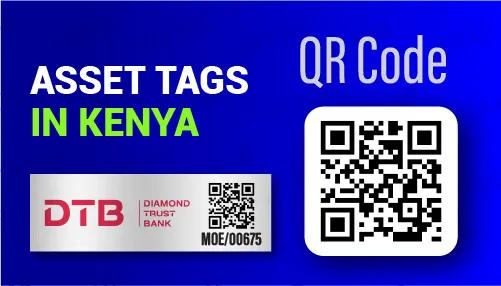
QR code asset tracking links every physical asset to a live digital record that anyone with a smartphone can open. This guide explains how it works, what to put in the code, and how to roll it out step by step in a Kenyan organisation. If you are ready to order, see our QR code aluminium asset tags.
The result is a register that stays current because updating it is as easy as pointing a phone at a tag.
| Option | What happens on scan | Good for |
|---|---|---|
| Asset number only | The scanning app reads the number and looks it up | Organisations with an asset app or offline scanners |
| Link to the asset's page | The phone opens the asset's record in a browser | Cloud asset systems, field teams, maintenance |
| Link that includes the number | Works both ways: the link opens the record and the number is readable by apps | Most organisations |
Keep links short: shorter data makes a simpler QR code that scans faster from further away. Always print the asset number as text next to the code, so the tag is still usable if the code is damaged or no phone is available.
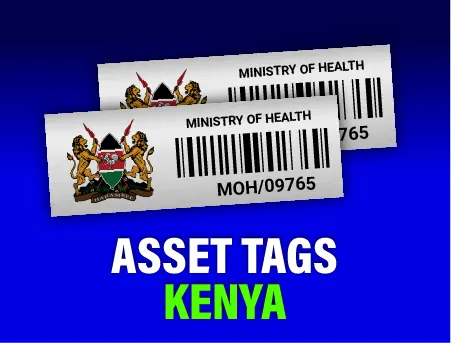
Many organisations print both on one tag. For a wider comparison including RFID, read barcode vs QR vs RFID asset tags.


Schools and universities tracking lab and ICT equipment across rooms. Hospitals logging servicing and calibration of medical devices. NGOs managing donor-funded assets across field offices. County governments preparing verified registers for audits. Companies tracking laptops issued to staff and recovering them when staff leave.

See also how asset tracking systems work and our asset management software.

No. A QR code can simply hold the asset number, which any scanning app reads. Linking codes to an asset management system adds live records, updates and reports.
The code itself cannot change, but if it holds a link to a page you control, you can update what that page shows at any time.
Small enough for laptops and phones, as long as the code keeps a clear margin and is sized for the scanning distance. We test scans before production.
QR codes include error correction and often still scan when partly damaged. The printed asset number is a backup, and anodized aluminium tags resist scratching.

Written by the Vexar Solutions team
We have made aluminium asset tags and carried out asset tagging for Kenyan organisations since 2016. About us.
Guide, 4 min read
How asset tracking systems link tags to software: barcode or QR scanning, check-in/out, maintenance logs and live report…
Guide, 5 min read
Compare barcode, QR code and RFID asset tags on cost, scanning speed and durability to choose the right tracking method …
Guide, 2 min read
Compare asset tag materials, fixing methods, codes and artwork requirements. A practical guide to choosing asset tags fo…
Need asset tags or printing in Kenya?
Send your quantity and artwork. We reply with a quote and a free proof, usually within the hour.