Guide, 2 min read
The Asset Tagging Process: A Step-by-Step Guide
Plan an asset tagging project from scope and data cleanup through numbering, label application, reconciliation and regis…
 View Samples
 Where self-adhesive asset labels hold and where they fail: plastics, powder-coated metal, wood and textured surfaces, with fixes for each.
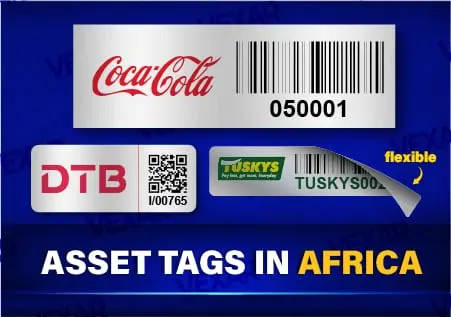
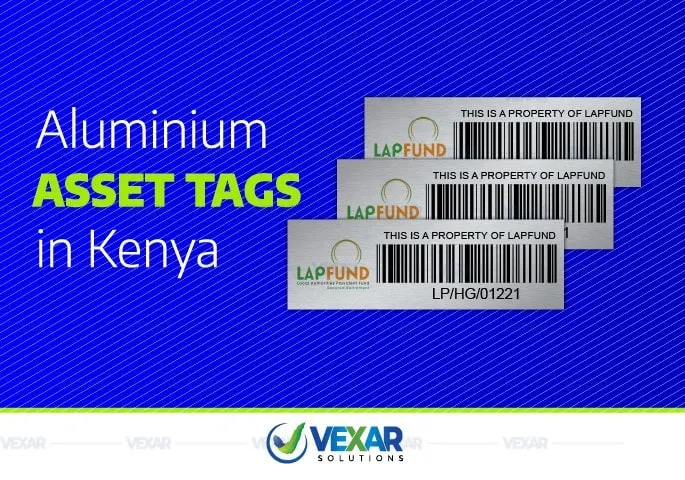
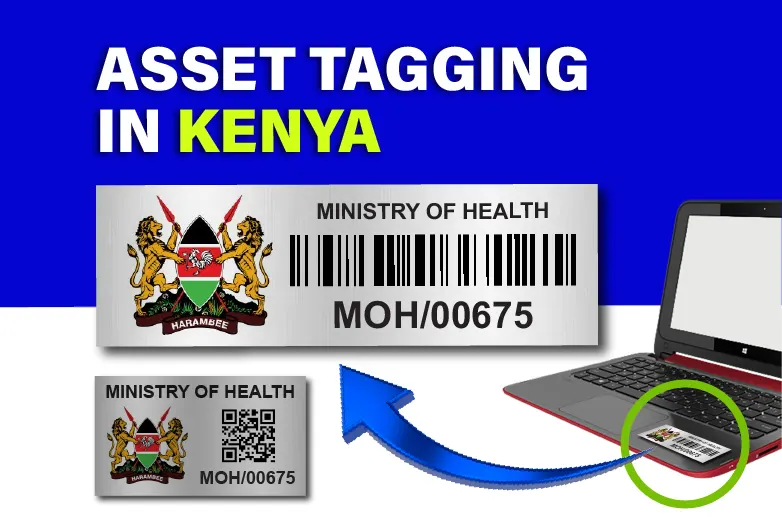
Self-adhesive asset labels are the quickest way to tag assets, but they only last if the surface suits them. This guide goes through the surfaces you will meet in a typical Kenyan office, school, hospital or workshop, where peel-and-stick labels hold well, where they struggle, and what to use instead. For products see self-adhesive asset tags.
A pressure-sensitive adhesive bonds by flowing into the surface under pressure. Smooth, clean, high-energy surfaces such as metal and glass give it plenty of contact. Textured, dusty, oily or "low-energy" plastic surfaces give it very little, so the label lifts at the edges within months.
| Surface | Self-adhesive result | Better option if it fails |
|---|---|---|
| Laptop and monitor casings (hard ABS plastic) | Good | Clean with alcohol first |
| Bare or painted smooth metal | Very good | n/a |
| Glass | Very good | n/a |
| Powder-coated cabinets and chairs | Fairtexture reduces contact | Acetone-activated tags |
| Laminated furniture (melamine) | Good | n/a |
| Raw or unsealed wood | Poorabsorbs and dusts | Acetone-activated tags or screws |
| Soft plastics (polypropylene, polyethylene) | Poor | Rivets or laser marking |
| Rubberised or silicone-coated items | Very poor | Tag a hard part of the item, or laser mark |
| Outdoor equipment and vehicles | Fair to poor over time | Riveted aluminium tags |

Press a spare label onto a hidden spot, leave it for a day, then try to lift a corner. If it peels off cleanly and easily, choose a different fixing. Hard, glossy plastics usually pass; soft, slightly waxy plastics usually fail.


Most organisations use self-adhesive labels for IT equipment and switch to acetone-activated or riveted tags for furniture, workshop equipment and vehicles. All can share the same design and number series. Our tagging team chooses the right method for each asset on site.

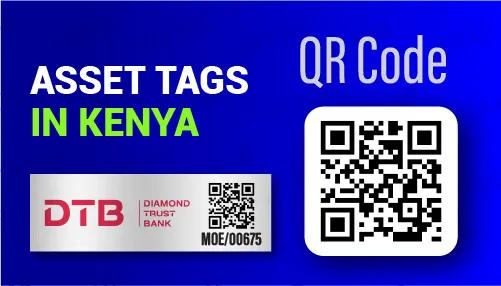
Usually because the surface was dirty, textured or a low-energy plastic. Clean with alcohol before applying, or switch to acetone-activated or riveted tags on difficult surfaces.
They can, but the texture reduces contact. Acetone-activated tags bond much better on powder-coated cabinets and chairs.
For long-term outdoor use, riveted aluminium tags are more reliable than adhesive labels.
Apply a spare label on a hidden spot, wait a day and try to lift a corner. If it comes off easily, use a different fixing.

Written by the Vexar Solutions team
We have made aluminium asset tags and carried out asset tagging for Kenyan organisations since 2016. About us.
Guide, 2 min read
Plan an asset tagging project from scope and data cleanup through numbering, label application, reconciliation and regis…
Guide, 2 min read
Use this fixed asset tagging checklist to prepare staff, asset data, tag specifications, site access, verification and p…
Guide, 2 min read
Plan practical asset tagging for schools, healthcare facilities and NGOs, with clear location data, access controls and …
Need asset tags or printing in Kenya?
Send your quantity and artwork. We reply with a quote and a free proof, usually within the hour.