Fixed Asset Tagging Solutions for Kenyan Businesses

Why Kenyan businesses tag fixed assets: audit readiness, KRA records, loss prevention and insurance claims, plus how to start a tagging project.

Updated 4 November 2025 7 min readBy the Vexar Solutions team

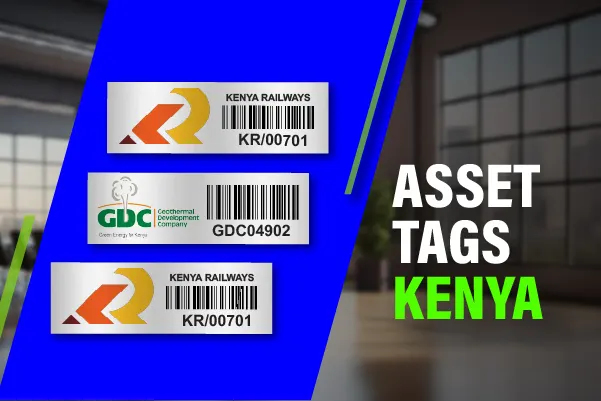
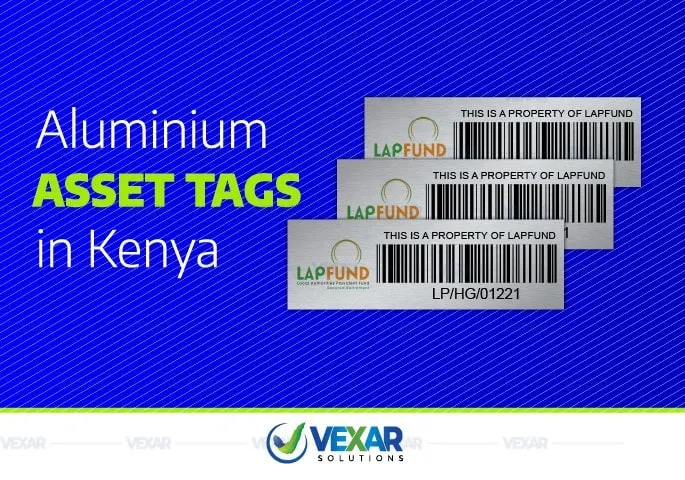
Asset Tagging Company in Kenya Producing Aluminium Asset Tags with acetone activated adhesive. acetone activated asset tags Kenya
aluminium asset tags | barcode acetone activated adhesive asset tags printing in Kenya. Barcode Asset Tags Nairobi
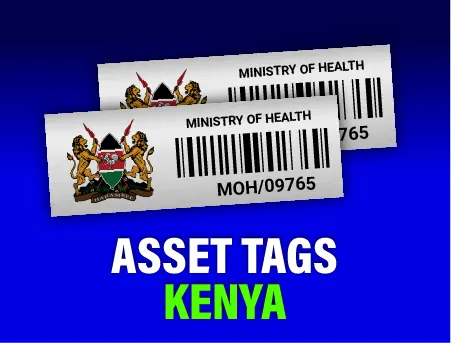
ASSET TAGGING SOLUTIONS IN KENYA. aLUMINIUM BARCODE ASSET TAGS FOR EQUIPMENT AND COMPUTERS Customization of Aluminium Asset Tags i
POLYESTER ASSET TAGS LABELS PRINTING IN KENYA
POLYESTER ASSET TAGS STICKERS BRANDING IN KENYA, WATERPROOF POLYESTWE ASSET TAGS. Custom Aluminium Asset Tags in Kenya. Polyester Asset Tag Labels Kenya
Self-adhesive aluminium asset tags for asset tagging in Kenya
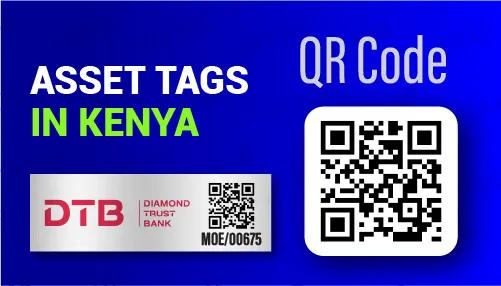
Fixed Asset Tags Aluminium QR code asset tagging QR Code Asset Tags in Kenya. QR Code Asset Tags Kenya

Why Fixed Asset Tagging Solutions are Essential for Kenyan Businesses.

Fixed asset tagging in Kenya: In today’s busy business environment, effective asset management is crucial for any organization looking to maximize efficiency and minimize losses. For Kenyan businesses, asset tagging in Kenya has become a powerful solution to simplify asset tracking, deter theft, and improve accountability. Asset tagging enables businesses to label, monitor, and manage their fixed assets with precision, ensuring that valuable resources are secure, accessible, and used efficiently. This blog explores the importance of asset tagging solutions, the benefits they bring to various sectors, and why businesses in Kenya should invest in reliable tagging systems.


What is Fixed asset tagging in Kenya?

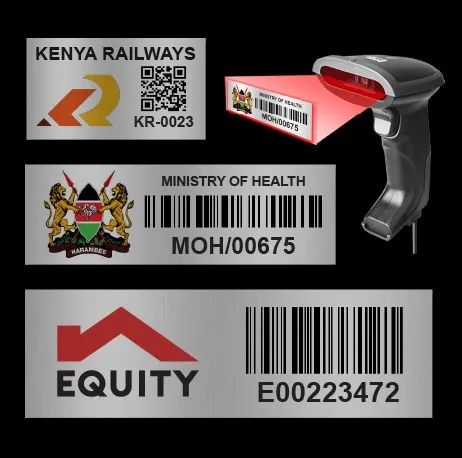
Fixed asset tagging in Kenya involves labeling fixed assets, such as equipment, furniture, machinery, and electronics, with unique identifiers. These tags typically include barcodes, QR codes, or RFID chips that store essential information about each item, like purchase date, location, and maintenance history. By scanning these tags with a device or app, businesses can easily access and track an asset’s information, improving accuracy and enabling real-time management.


Why Asset Tagging is Important for Kenyan Businesses

Asset tagging brings significant benefits to businesses by providing a structured approach to tracking and managing assets. Here are some of the key reasons why asset tagging is essential for Kenyan businesses:

  1. Enhanced Asset Tracking and Management
    • Fixed asset tagging in Kenya provides a clear view of an organization’s assets, allowing managers to track the location, status, and usage of items in real-time. For example, a company can use tags to check if equipment is being utilized fully or if certain assets are idle. This helps in making informed decisions on reallocating resources or purchasing new items only when needed.
  2. Reduced Asset Loss and Theft
    • With tagged assets, it becomes easier to monitor and account for each item, reducing the chances of theft or misplacement. Asset tagging systems often include features that alert managers when an asset is moved from a specific area, serving as a deterrent for unauthorized access and helping in loss prevention.
  3. Simplified Inventory Audits
    • Conducting manual audits is time-consuming and prone to errors, especially for organizations with large volumes of assets. Asset tagging enables businesses to automate the inventory process, ensuring accuracy while reducing the time and labor costs associated with regular audits.
  4. Increased Operational Efficiency
    • By quickly locating and accessing assets, teams can complete tasks faster and with less downtime. This efficiency is particularly valuable in time-sensitive industries, such as manufacturing, healthcare, and logistics, where delays in accessing equipment can impact productivity.
  5. Improved Compliance and Record-Keeping
    • Many industries have stringent compliance requirements for asset tracking. Asset tagging solutions maintain accurate and detailed records of each asset, making it easier to meet regulatory standards and keep detailed logs for audits or inspections.

Industries That Benefit from Fixed Asset Tagging

Several industries in Kenya are using asset tagging to protect assets, enhance productivity, and gain more control over their resources. Here’s how asset tagging in Kenya benefits some key sectors:

  1. Healthcare
    • In hospitals and clinics, asset tagging is used to manage expensive and life-saving equipment like MRI machines, ventilators, and defibrillators. Tagging helps medical staff track equipment availability, maintenance schedules, and ensures critical devices are ready for patient care at all times.
  2. Education
    • Educational institutions manage a range of assets, from computers and projectors to furniture and lab equipment. Asset tagging ensures that schools and universities can efficiently track these resources, reduce losses, and allocate items based on needs across departments.
  3. Manufacturing and Warehousing
    • Factories and warehouses rely on machinery, tools, and inventory for production. Asset tagging solutions help track equipment usage, schedule maintenance, and manage stock levels in real-time, reducing downtime and improving supply chain efficiency.
  4. Government and Public Sector
    • Government offices manage extensive inventories of assets, including office equipment, vehicles, and electronics. Asset tagging enables government departments to maintain accountability and transparency, particularly important in sectors where resources are often distributed across multiple locations.
  5. Retail
    • Retailers use Fixed asset tagging in Kenya to manage inventory, track high-value items, and prevent stock shrinkage. With asset tags, stores can ensure inventory levels are accurate, providing better customer service and preventing financial losses due to theft.
  6. IT and Telecommunications
    • Tech companies rely on expensive servers, networking equipment, and devices for operations. Asset tagging allows IT departments to track asset locations, prevent misuse, and plan upgrades, reducing IT downtime and ensuring equipment availability for employees.

Types of Asset Tags Commonly Used

Different types of asset tags are used based on the specific needs of a business. Here are some of the most common asset tags that Kenyan businesses might consider:

  1. Barcode Tags
    • Barcode tags are widely used due to their simplicity and affordability. These tags are ideal for tracking office equipment and other assets in less harsh environments.
  2. Aluminium Asset Tags
    • Durable and weather-resistant, aluminum Fixed asset tagging in Kenya are perfect for outdoor environments or high-impact industries such as manufacturing. They withstand extreme temperatures and physical wear, making them suitable for long-term use.
  3. Polyester and Vinyl Tags
    • These tags are versatile and affordable, commonly used for tagging assets that require flexibility, such as office furniture and smaller electronics. They are resistant to water, oil, and chemicals, making them ideal for indoor and outdoor environments.
  4. Tamper-Proof Tags
    • Tamper-proof tags are designed to deter theft and unauthorized removal. They are ideal for industries requiring high-security standards, as any attempt to tamper with the tags leaves visible signs.
  5. RFID Tags
    • RFID tags are ideal for tracking large numbers of assets in real-time. They’re commonly used in large warehouses or government institutions, where it’s necessary to monitor asset movements within a large area without manually scanning each item.

How to Implement Fixed asset tagging

For businesses in Kenya looking to start asset tagging, the process can be simplified by following these steps:

  1. Identify Key Assets for Tagging: Determine which assets need to be tagged based on value, location, and usage frequency.
  2. Choose the Right Type of Tag: Select a tag material and type that fits the business environment and asset type. For example, aluminum tags for heavy equipment and barcode tags for office electronics.
  3. Use Asset Management Software: Implement software that integrates with your asset tags, allowing for easy scanning, tracking, and data analysis.
  4. Train Employees on Proper Use: Ensure employees understand how to use the tagging system, including how to scan assets and report any discrepancies.
  5. Regularly Audit and Update Records: Schedule periodic audits to ensure all assets are accounted for, and records are up-to-date.

Conclusion

As businesses in Kenya continue to grow, the need for effective Fixed asset tagging in Kenya becomes more apparent. By implementing a reliable asset tagging solution, organizations can safeguard their assets, reduce theft, and improve operational efficiency. Asset tagging provides an accessible, scalable, and secure solution for asset management, making it essential for any business looking to maintain control over valuable resources. Whether you are in healthcare, education, manufacturing, or retail, asset tagging offers clear benefits that improve the bottom line and boost overall productivity. Embracing asset tagging in Kenya is a smart, proactive move for any business serious about optimizing its resources and ensuring long-term success.

Prev Previous Top 5 Aluminium Barcode Asset Tags for Businesses Next Top 5 Types of Fixed Asset Tags for Efficient Asset Tagging in Kenya Next

Categories

The Ultimate Guide to Fixed Asset Verification and Tagging for Kenyan SMEs

August 24, 2026

Fleet & Heavy Equipment Asset Tagging for Logistics and Construction Firms

August 24, 2026

Fixing “Ghost Assets” in Public Sector Institutions: IPSAS Accrual Guidelines

August 24, 2026

What We Do: Other Products & Services

Branded Mousepads, Product Stickers & Labels , Reflector Jackets , Roll-Up Banners, Sellotapes Branding, Staff ID Cards, Wheel Covers Branding, Presentation Folders, Letterhead Printing, Diaries Printing, Vehicle Branding, Jerseys Printing, Booklets Printing, Posters Printing, Leaflets Printing, Brochure Printing, Flyers Printing, Notebook Printing, Spiral Bound Booklet, Reflective Stickers, Pop-up Banners, Umbrella Branding, Book Printing, Metallic Door Signs, 3D LED Signs, Asset Tags, Bookmarks Printing, Custom Tapes, Telescopic Banners, Mounted Photos, Floor Stickers, Business Cards, Custom Posters, Calendar Printing, Water Bottles Mugs Branding Envelopes Printing Tear-Drop Banner Backdrop Banner Funeral Programs Feather Flags Certificate Printing Polo Shirts Trophies & Awards Spiral Notebooks Annual Reports Plaques Staff Nametags Branded Keyholders Snapper Frames Stationery Giveaways Button Badges Fridge Magnets Laptop Bags Samples Laser Asset Tagging

Frequently asked questions

Why do businesses tag fixed assets?

To prove what they own for audits, support tax and insurance records, reduce losses and know the location and condition of every asset.

Which assets should be tagged?

Any asset recorded in the fixed asset register: IT equipment, furniture, machinery, vehicles and tools above your capitalisation threshold.

How often should assets be verified?

At least once a year, and whenever there are major moves, mergers or audits.

Written by the Vexar Solutions team

We have made aluminium asset tags and carried out asset tagging for Kenyan organisations since 2016. About us.

Helpful guides

Guide, 2 min read

Fixed Asset Tagging Checklist

Use this fixed asset tagging checklist to prepare staff, asset data, tag specifications, site access, verification and p…

Need asset tags or printing in Kenya?

Send your quantity and artwork. We reply with a quote and a free proof, usually within the hour.